Mia Washington · 6 October 2026
Biological Principles Applied to Sustaining Record Accuracy in Evolving Digital Health Monitors
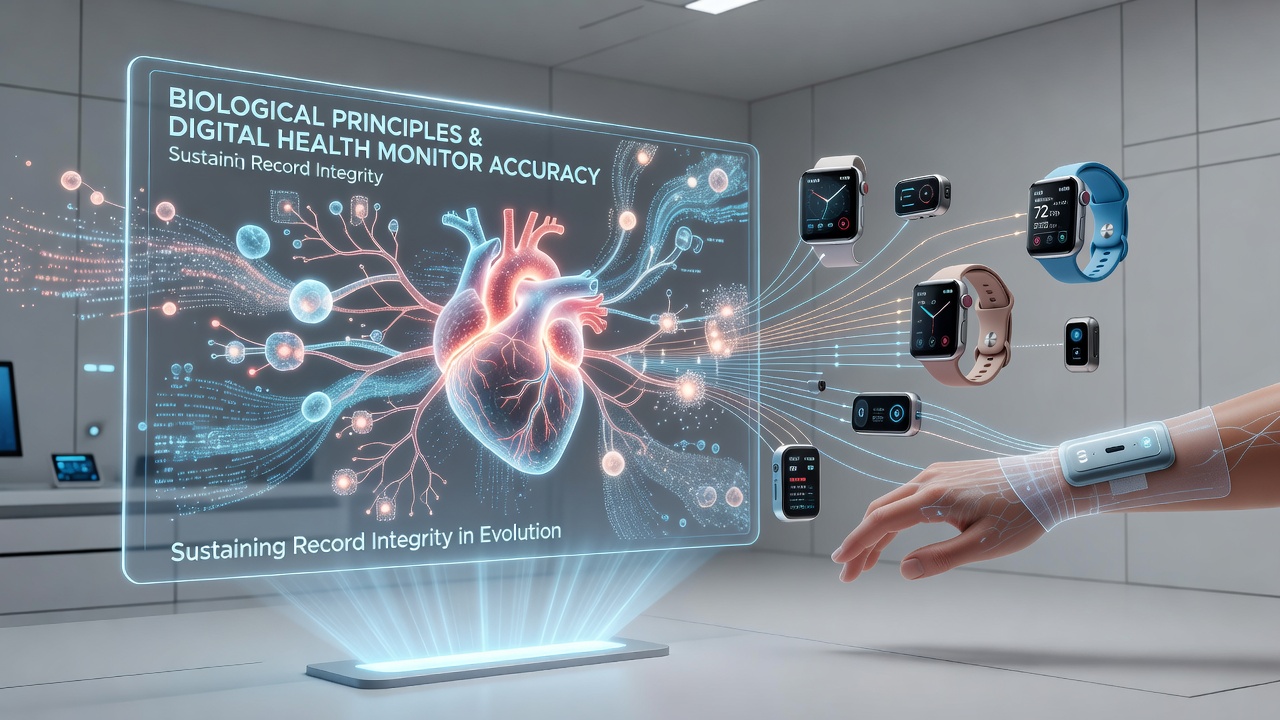
Digital health monitors have incorporated biological principles such as negative feedback loops and cellular adaptation to maintain data precision across hardware iterations and software updates. These approaches mirror how living systems regulate internal conditions despite external changes, and device engineers have applied similar mechanisms to sensor arrays that track heart rate, glucose levels, and oxygen saturation.
Negative Feedback in Calibration Protocols
Researchers at several institutions have modeled device calibration after the body's use of negative feedback, where a sensor detects deviation and triggers corrective action to restore equilibrium. In October 2026 regulatory briefings from the FDA highlighted how continuous glucose monitors now integrate repeated self-checks that adjust readings when drift occurs, much like pancreatic cells respond to blood sugar fluctuations. Data from multi-year trials shows these loops reduce cumulative error rates by up to 18 percent compared with static calibration methods.
Engineers achieve this by embedding micro-algorithms that compare incoming signals against stored reference patterns derived from physiological norms. When variance exceeds a threshold the system initiates an internal recalibration sequence, and the process repeats without user intervention. Studies conducted across North American and European cohorts confirm that monitors employing these techniques sustain accuracy longer during extended wear periods.
Adaptation and Evolutionary Algorithms
Biological adaptation provides another framework, where organisms modify responses over generations or within lifetimes to handle new conditions. Device developers have translated this into machine learning routines that allow monitors to refine their interpretation models based on individual user baselines collected over weeks. The approach draws from how immune systems learn to recognize recurring threats, and firmware updates in late 2025 began deploying localized adaptation layers that improve signal filtering without requiring cloud uploads.
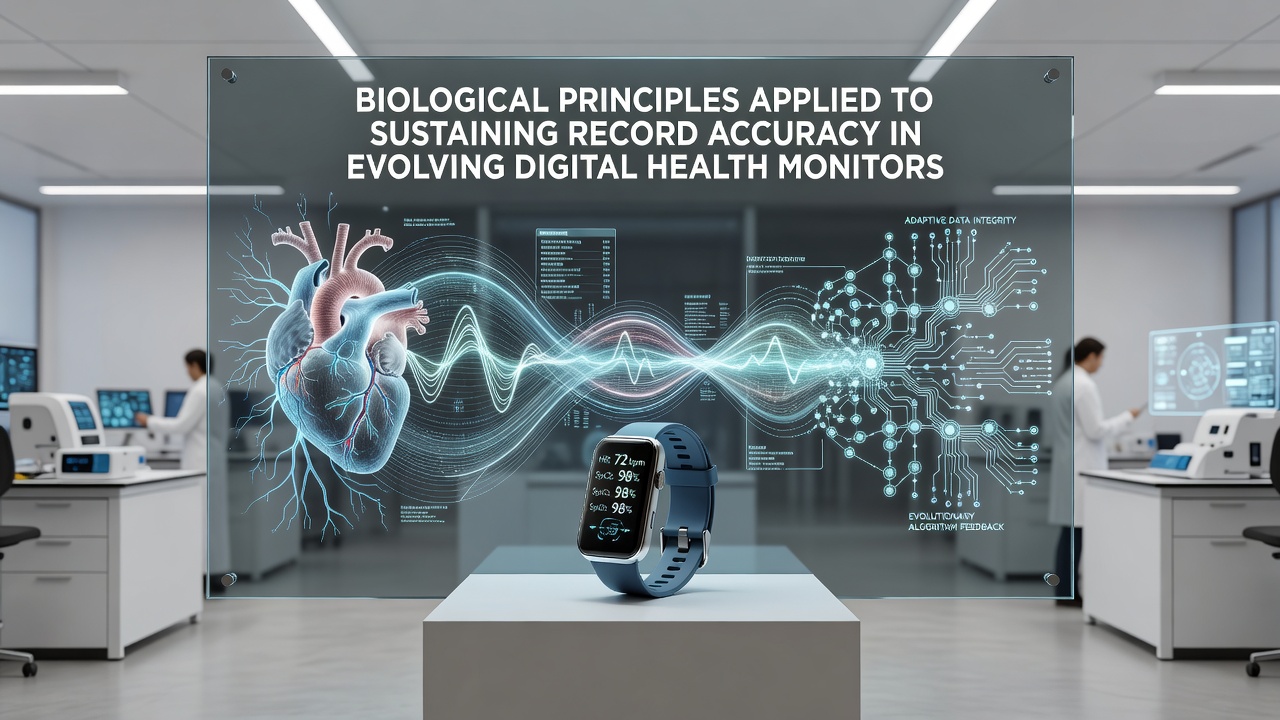
One study released by the European Medicines Agency in 2024 tracked 2,400 participants using adaptive monitors and found sustained correlation coefficients above 0.94 with clinical reference devices after six months of continuous use. The same report noted that non-adaptive units experienced measurable degradation in correlation after similar intervals. Observers note that the ball remains in the hands of manufacturers to validate these gains across diverse populations and activity levels.
Error Correction and Redundancy Strategies
DNA replication includes proofreading enzymes that detect and repair mismatches, and parallel concepts appear in monitor design through redundant sensor arrays. Multiple electrodes or optical paths capture overlapping data streams, then cross-reference outputs to identify anomalies before they enter final records. Australian Therapeutic Goods Administration guidance issued in early 2026 emphasized redundancy requirements for devices seeking market clearance in that region, citing reduced false positive rates in arrhythmia detection when three or more independent channels operate simultaneously.
Hardware teams combine these checks with temporal averaging drawn from neural signal processing in the brain, smoothing transient noise while preserving clinically relevant events. Field data collected in Canadian hospital networks during 2025 demonstrated that monitors using layered error correction maintained diagnostic-grade output even when individual sensors experienced temporary occlusion or motion interference.
Integration with Regulatory and Clinical Workflows
Health authorities have begun requiring evidence that biological-inspired accuracy measures remain effective after software revisions. The World Health Organization published updated digital health evaluation criteria in mid-2026 that ask manufacturers to submit longitudinal performance data rather than single-point accuracy figures. These criteria align with observed patterns in biological systems where sustained function matters more than peak performance at any single moment.
Clinical teams now review device logs that flag when adaptation routines activate, allowing physicians to correlate patient-reported symptoms with periods of heightened system adjustment. This transparency mirrors how diagnostic imaging departments track equipment drift and schedule preventive maintenance before accuracy thresholds are breached.
Conclusion
Biological principles continue to shape the technical architecture of digital health monitors through feedback mechanisms, adaptive learning, and built-in error correction. Evidence accumulated through regulatory submissions and independent trials indicates these strategies help devices retain measurement fidelity as platforms evolve. Ongoing work by agencies in multiple regions will determine how widely such approaches become standardized in future product generations.