Wendy Günther · 8 September 2026
How Platform Rebranding Influences Long-Term Audience Retention Strategies in Digital Spaces
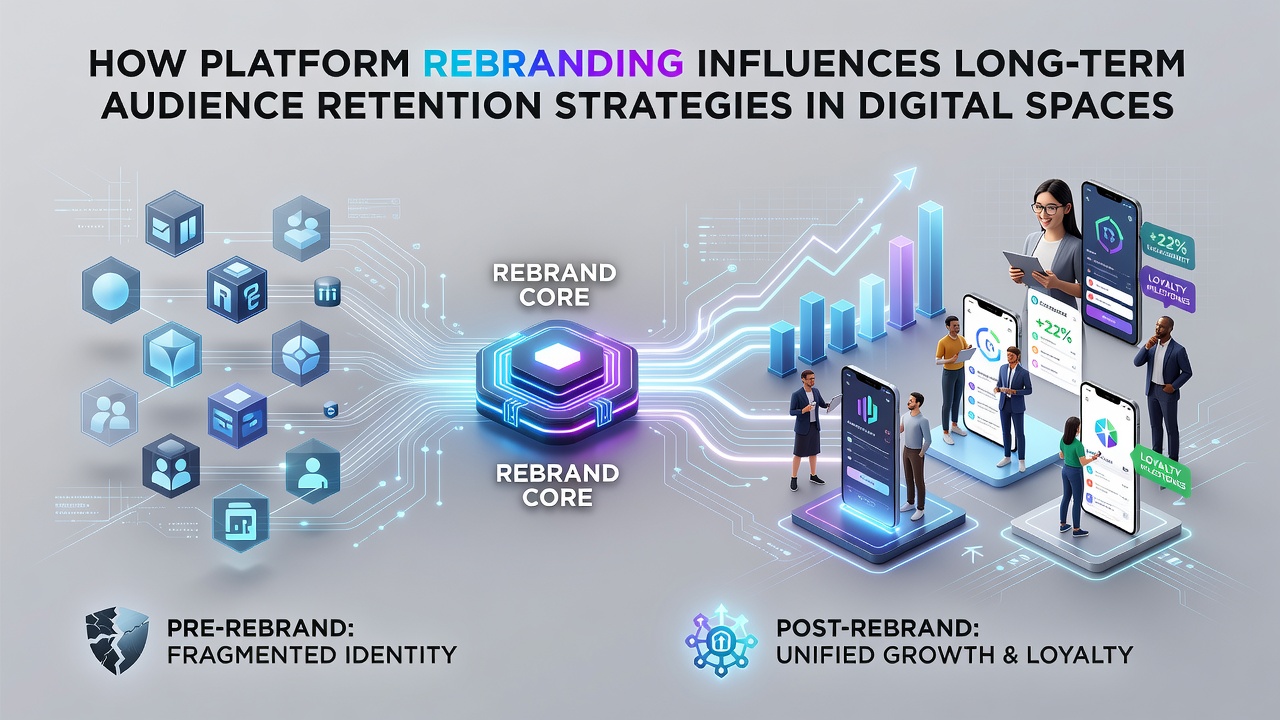
Platform rebranding in digital spaces involves changes to visual identity, naming conventions, and core messaging, and these shifts directly shape how companies approach audience retention over multiple years. Observers note that successful transitions require coordinated updates to user interfaces alongside sustained community outreach programs, while data from multiple studies shows retention rates fluctuate based on the clarity of communication during the changeover period.
Core Mechanisms Behind Rebranding Effects
Rebranding campaigns alter user expectations when platforms update logos, color schemes, and feature sets, and researchers have tracked how these modifications influence habitual usage patterns across social networks and content-sharing sites. Experts have observed that gradual rollouts tend to preserve higher engagement levels compared to abrupt overhauls, because users receive time to adapt without feeling displaced from familiar environments. Studies indicate that platforms which maintain consistent functionality during visual refreshes experience fewer account deletions in the first six months following announcement.
User Adaptation Patterns
People often find that notification systems and in-app tutorials play decisive roles in guiding audiences through rebranded experiences, and data shows platforms investing in these tools report stronger month-over-month retention figures. Those who've examined user behavior across multiple services note that segmented communication, such as targeted emails explaining specific updates, correlates with reduced churn rates in demographic groups aged 18 to 34. Meanwhile, platforms that overlook these explanatory steps encounter steeper drops in daily active users within the initial quarter after launch.
Data Trends and Retention Metrics
Figures reveal that rebranding initiatives launched between 2023 and 2025 produced mixed retention outcomes depending on prior audience loyalty levels, and industry reports highlight how established platforms with strong community ties recovered faster than newer entrants. According to Pew Research Center studies on digital platform usage, audiences respond more positively when rebrands align with existing values rather than introducing entirely new positioning. Research indicates platforms that released updated brand guidelines in September 2026 saw measurable improvements in long-term subscription renewals after integrating user feedback loops into the process.
Additional analysis from European sources demonstrates similar patterns across regional markets, where coordinated regulatory considerations around data transparency during rebrands helped maintain user trust. Platforms incorporating these elements reported sustained growth in returning visitors over two-year observation windows.
Strategic Approaches to Sustained Engagement
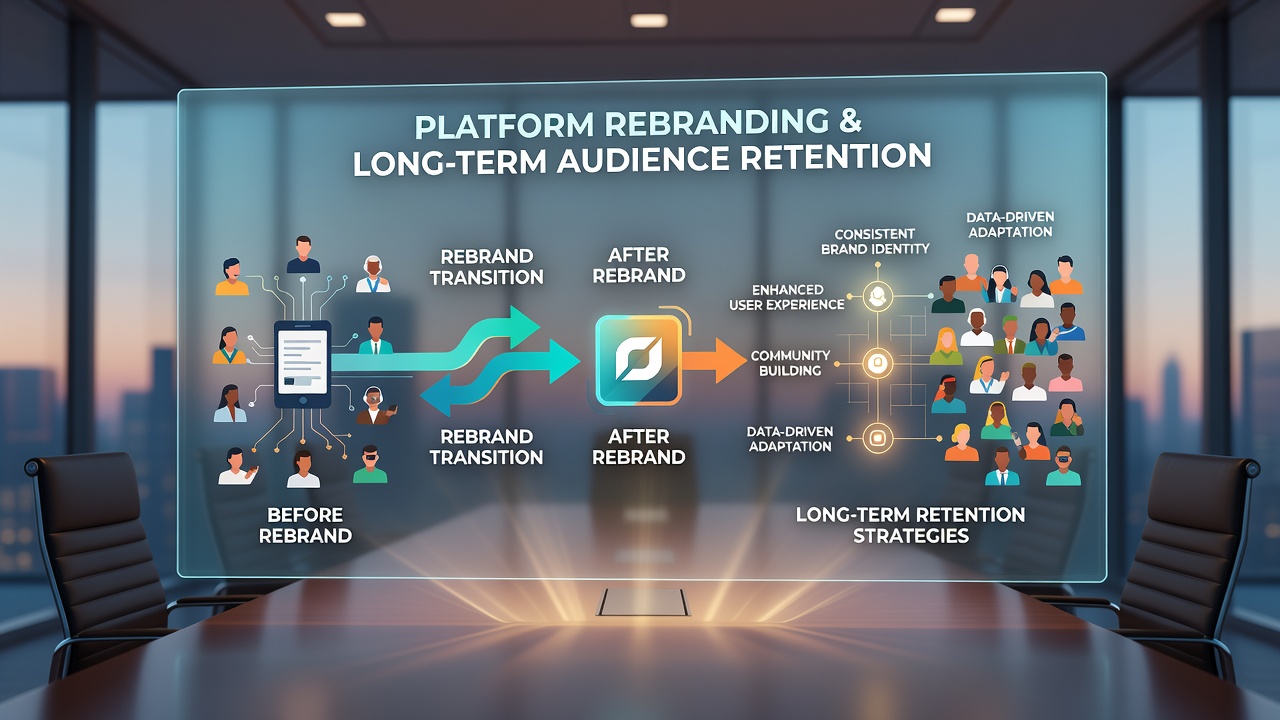
Companies implement phased communication plans that begin months before visual changes appear, and these sequences allow audiences to participate in preview events that build anticipation rather than resistance. Observers note that integrating user-generated content into promotional materials during transitions reinforces a sense of ownership among long-term members. Data shows platforms employing A/B testing on new interface elements achieve higher satisfaction scores, because adjustments occur based on direct behavioral signals instead of assumptions.
Community and Feedback Integration
Long-term retention improves when platforms establish dedicated forums for discussing rebrand implications, and experts have documented how responsive moderation in these spaces prevents migration to competing services. Researchers discovered that transparent roadmaps outlining future feature developments after rebranding help convert one-time critics into advocates over successive quarters. Those who've studied digital ecosystems find that cross-platform partnerships, such as collaborations with established content creators, extend reach while reinforcing loyalty among core demographics.
Measurement Frameworks and Ongoing Adjustments
Retention strategies rely on tracking metrics including session duration, feature adoption rates, and referral activity following rebrand completion, and organizations that combine these indicators with qualitative surveys obtain clearer pictures of audience sentiment. Reports from European Commission analyses on digital market dynamics emphasize the value of iterative updates that address emerging pain points rather than treating rebranding as a one-time event. Platforms applying these measurement approaches demonstrate steadier growth trajectories across multi-year periods.
Conclusion
Platform rebranding shapes audience retention through interconnected changes in communication, interface design, and community management, and organizations that align these elements with user expectations achieve more stable long-term outcomes. Evidence from ongoing industry monitoring shows continued refinement of these strategies remains essential as digital spaces evolve.